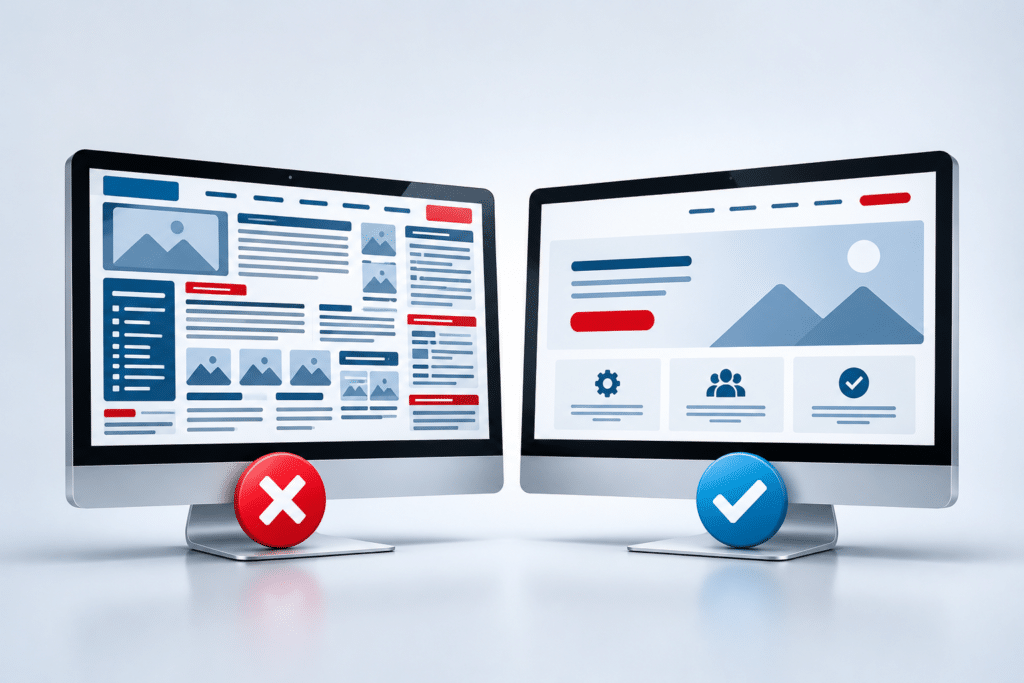

Why Your Website Should Answer Customer Objections Before They Contact You
Imagine someone visits your website because they need a plumber, a cleaner or an accountant. They like what they see, your services appear suitable, and they’re considering getting in touch. But something is bothering them. They’re unsure about your prices, whether you’re reliable or what happens after they make an enquiry.
Instead of contacting you to ask, they leave. They might visit another business that explains things more clearly, or they might simply put off making a decision. You may never know they were interested in the first place.
This is why answering customer objections on your website matters. People don’t always tell you what’s stopping them from buying. Your website needs to recognise their likely concerns and help them make a more confident decision before they pick up the phone or complete your contact form.
Quick Answer
Your website should answer common customer objections before someone contacts you because many potential customers want reassurance before making an enquiry. They may have concerns about price, quality, trust, timing, guarantees or whether your service is right for them.
By addressing these questions clearly, you can reduce uncertainty, help visitors understand what they’re paying for and make it easier for suitable customers to take the next step. You may also save time answering the same basic questions repeatedly. The aim isn’t to pressure people into buying. It’s to give them enough honest information to decide whether your business meets their needs.
What Are Customer Objections?
A customer objection is a concern, doubt or unanswered question that makes someone hesitate before buying a product, booking a service or contacting a business. It doesn’t necessarily mean they’re unhappy with what you’re offering. Often, they’re interested but need more information before they feel comfortable taking the next step.
For example, someone looking for a cleaning company may wonder whether they need to provide cleaning materials. A homeowner considering a builder may worry about unexpected costs. A small business owner looking for an accountant might be unsure whether changing accountants will involve complicated paperwork.
These are practical concerns, not unreasonable demands. If your website explains how your business handles them, the visitor has one less reason to hesitate. You are helping people understand what to expect, rather than leaving them to make assumptions.
Not every objection is a complaint
It’s useful to separate objections from complaints. A complaint usually concerns something that has gone wrong. An objection is often a question about what might happen. Customers may want to know whether they can trust you, whether a service fits their budget or whether there are conditions they should understand.
Some objections are simply signs that a customer isn’t the right fit. Someone wanting a same-day service may not be suitable for a business that books work two weeks ahead. Explaining your availability honestly helps both sides avoid wasted time.
Why People Leave Without Contacting You
Visitors can leave a website for many reasons. They might be comparing businesses, browsing casually, distracted by something else or not ready to buy. However, unanswered concerns can also play a part, especially when someone is close to making a decision.
Think about what happens when you are buying something unfamiliar. You probably look for information about the price, what’s included, how reliable the provider appears and what happens if something goes wrong. Your customers may be doing exactly the same thing.
A website that only describes how wonderful the business is can miss the questions that matter most to the visitor. Phrases such as “professional service”, “competitive prices” and “customer satisfaction” sound positive, but they don’t explain the actual service or remove a specific worry.
The difference between interest and confidence
Someone can be interested in your service without being confident enough to contact you. Interest means they believe you might be able to help. Confidence means they have enough information to feel comfortable moving forward.
Your website should support that journey. A clear explanation of your process, pricing approach, experience and customer support can help turn a vague impression into a more informed decision. It cannot guarantee an enquiry, but it can remove avoidable uncertainty.
Seven Customer Objections Your Website Should Address
Different businesses face different concerns, but several questions appear across many everyday services. The best answers will depend on what you actually offer, so avoid copying reassuring statements that aren’t true for your business.
1. “How much is this going to cost?”
Price uncertainty is one of the most obvious reasons someone may hesitate. Visitors often want to know whether a service is within their budget before spending time discussing it. If your website says nothing about costs, they may assume it’s expensive or that the price will be difficult to understand.
You don’t always need to publish a fixed price. A plumber may explain call-out charges and how estimates are prepared. A cleaner could provide a starting price and describe what affects the final cost. A builder might explain that each project requires a site visit before a written quotation can be provided.
Be clear about what is included, possible extras and whether VAT applies where relevant. A useful explanation is better than a vague promise of “affordable prices”.
2. “Can I trust this business?”
Trust is particularly important when customers are inviting someone into their home, handing over money or sharing sensitive information. They want to know they’re dealing with a real business that will treat them fairly.
Show genuine customer reviews, accurate business details, relevant qualifications where applicable and real examples of your work where you have permission to share them. Explain who is behind the business and how customers can contact you if they have a problem.
Trust comes from details people can check, not simply from saying you’re trustworthy. Genuine reviews and a clear explanation of your working process can be more useful than several paragraphs of general praise.
3. “Will this actually solve my problem?”
A service description may tell visitors what you do without helping them understand whether it fits their particular needs. For example, an accountant’s website might list bookkeeping and tax returns but never explain which types of small businesses it works with.
Describe the problems your service is designed to solve, the work you carry out and any important limits. If you specialise in certain jobs, say so. If you don’t provide a particular service, explaining that can be equally helpful.
Give realistic examples. A garden maintenance company could explain the difference between regular upkeep and a one-off garden clearance. That helps visitors identify the service they actually need.
4. “What happens after I contact you?”
Some customers hesitate because they don’t know what happens after submitting a form or requesting a quote. Will someone call immediately? Will they receive a sales pitch? Will they be expected to make a decision on the spot?
A short explanation of your enquiry process can help. Tell visitors how you usually respond, what information you need and whether an initial conversation involves any obligation. Only publish response times or commitments that your business can realistically meet.
For example, a garage might explain that customers can describe the fault, receive advice about booking a diagnostic appointment and approve any repair work before it begins.
5. “How long will it take?”
Timing matters when customers need work completed before an event, a deadline or a particular season. A decorator’s customer may need a room finished before moving in. Someone booking a beauty treatment may need an appointment before a wedding.
Explain your normal booking process, typical timescales where reliable and what could cause delays. If availability changes regularly, make that clear and invite customers to check current dates rather than publishing a promise that may quickly become outdated.
Clear expectations help prevent disappointment and reduce enquiries from people whose deadlines you cannot meet.
6. “What if something goes wrong?”
Customers may worry about poor workmanship, unexpected charges, cancellations or problems after the service is completed. These concerns are especially understandable when the purchase is expensive or difficult to reverse.
Explain any genuine workmanship guarantees, warranties, complaint procedures, cancellation terms and aftercare arrangements that apply. Keep the wording accurate and make relevant conditions easy to find.
Don’t claim that customers have rights or protections beyond what you actually provide or what the law requires. For UK businesses, the government’s guidance on returns and refunds is a useful starting point for understanding how legal rights and business policies can differ.
7. “Why should I choose you instead of another business?”
Customers comparing similar businesses need a meaningful reason to choose one. Saying you’re the best or the cheapest isn’t always convincing, particularly if there’s no evidence to support the claim.
Explain what makes your service suitable for the people you want to attract. That might include your specialist experience, clear communication, appointment arrangements, particular services or approach to customer care.
A small cleaning company could explain that the same regular cleaner is assigned where possible. A local electrician might explain which types of domestic work they undertake and how quotations are handled. Specific details help customers compare businesses fairly.
How to Answer Customer Objections on Your Website
The best way to answer customer objections on your website is to recognise the concern, give a direct and truthful answer, and explain what the customer should expect. Avoid trying to overcome every doubt with persuasive language. Helpful information is usually more convincing than pressure.
Turn vague claims into useful answers
Compare these two approaches. The first sounds reassuring but provides very little information. The second explains what the customer actually needs to know.
| Vague website wording | More helpful wording |
|---|---|
| We offer competitive prices. | We provide a written quote before work begins, explaining what is included and any possible additional charges. |
| We deliver excellent service. | We explain the work before starting and provide a contact number for questions during the job. |
| Contact us for more details. | Tell us what you need using our enquiry form. We’ll review your request and explain the next steps. |
| We are highly experienced. | We’ve been carrying out domestic electrical work since [your actual founding year], including repairs, inspections and installations. |
These are examples of wording styles, not claims to copy without checking. Your website should describe your real policies and services. If you don’t offer written quotes, for instance, don’t say that you do.
Use a simple three-part answer
For most customer concerns, you can use the same practical method. First, name the question in words a customer would use. Next, answer it clearly without unnecessary jargon. Finally, explain what happens next or where the customer can find more details.
Imagine you run a cleaning company and customers often ask whether they need to supply equipment. Your website could say: “Do I need to provide cleaning products? We bring our standard cleaning supplies to each appointment. If you have a preferred product or a surface requiring special care, please tell us when booking.”
That answer is useful because it removes uncertainty and explains an exception. It also reduces the chance of a misunderstanding on the day of the appointment.
Explain the value, not just the price
Sometimes the objection isn’t that your service costs too much. It’s that the customer doesn’t understand what they’re getting for the money. A price without context can be difficult to judge.
Explain what is included, what the customer is responsible for and how your process works. If two service options have different prices, show the practical differences. Customers should be able to compare the options without guessing.
Clear website copywriting can help with this, particularly when your current pages describe services but don’t answer the questions customers ask before buying.
Where to Place Answers on Your Website
Having the right information is only half the job. Visitors also need to find it at the point where they’re making a decision. If an important answer is hidden on an unrelated page, many people won’t go looking for it.
Your homepage
Your homepage should explain who you help, what you offer and why someone might choose your business. It doesn’t need to answer every detailed question. Instead, provide a clear introduction and direct visitors to the pages that explain your services.
A few genuine trust signals, such as customer feedback or relevant experience, can help visitors decide whether to explore further. Make sure important information isn’t buried beneath decorative sections.
Individual service pages
Service pages are often the best place to address specific objections. Someone reading about boiler servicing may have different concerns from someone looking at emergency plumbing repairs, even though both services come from the same business.
Explain the scope of each service, who it suits, how pricing works and what customers can expect. Place answers close to the relevant service information rather than sending everyone to one long general FAQ page.
Pricing and quotation pages
When someone reaches your pricing information, they’re often trying to judge whether the service represents good value. Explain the differences between options, whether there are additional charges and how customers receive a final quotation.
If every job is individually priced, describe the factors that influence cost. You can still be transparent without promising an exact figure before you understand the work involved.
Contact forms and booking pages
People may hesitate at the final step if they don’t know what happens after they submit their details. Add a short explanation near your contact form stating what the enquiry is for, when you usually respond and what information is needed.
Only ask for information you genuinely need. If customers must share personal details, explain why they’re required and provide an accessible privacy notice. The Information Commissioner’s Office guidance can help UK businesses understand their responsibilities when collecting personal information.
Frequently asked questions
An FAQ section works well for questions that don’t fit naturally into your main service description. It can cover practical matters such as parking, payment methods, booking arrangements, preparation before an appointment and aftercare.
However, don’t use FAQs as a hiding place for information that should appear earlier. If price is a major concern, explain your pricing approach on the service page and use the FAQ to clarify particular details.
Mistakes That Can Make Customers More Doubtful
Trying to answer objections can backfire when the wording is unclear, defensive or unrealistic. Your aim should be to help visitors make informed decisions, not to make every concern disappear.
Making promises you cannot keep
Statements such as “we always finish on time” or “every customer is completely satisfied” can create expectations your business may not be able to meet. Even a well-run business can face delays, misunderstandings or unexpected problems.
Explain how you manage those situations instead. Customers can appreciate a business that communicates clearly when something changes.
Hiding conditions in small print
Important restrictions, exclusions and charges should be easy to understand. If an advertised price excludes something customers would reasonably expect, explain that clearly rather than hoping they’ll discover it later.
Transparency may mean some people decide your service isn’t suitable. That’s still better than attracting enquiries based on misunderstandings that cause problems later.
Overloading pages with reassurance
Long lists of guarantees, repeated testimonials and constant sales messages can make a page tiring to read. Visitors usually want answers to a few specific questions, not endless reasons to buy.
Use descriptive headings, sensible spacing and short explanations where appropriate. Give people the option to explore more detail without making every visitor read everything.
Answering questions nobody is asking
It’s easy to write FAQs based on what you want to tell customers rather than what customers actually want to know. That can leave genuine concerns unanswered.
Start with the questions you hear in real conversations. Those are often more valuable than generic questions copied from another business’s website.
How to Discover Your Customers’ Real Concerns
You don’t need expensive research to start understanding why potential customers hesitate. Much of the information may already exist in your day-to-day business conversations. The challenge is recognising patterns and turning them into useful website content.
Review enquiries and conversations
Look at recent emails, phone enquiries and messages. Which questions come up repeatedly before someone agrees to book or buy? Are customers regularly asking about costs, availability, insurance, payment arrangements or how the work is carried out?
Write down the questions in the customer’s own words. This can help you create natural website headings that people recognise immediately. Don’t publish private customer details or identifiable conversations without appropriate permission.
Ask people who speak to customers
If you have employees who handle bookings, quotations or customer support, ask them what causes the most confusion. They may notice concerns that never reach the business owner.
For a small garage, reception staff might know that customers regularly ask whether diagnostic charges are included in repair costs. Explaining that on the website could make the booking process clearer.
Look for patterns in reviews and feedback
Reviews can reveal what customers value and what they were worried about before buying. Someone praising clear communication may be showing that uncertainty about the process was an important concern.
Don’t assume one review represents everyone. Look for repeated themes across feedback and enquiries, and check whether your website explains those areas clearly.
Check whether your changes are helping
Once you’ve improved a page, monitor the quality of enquiries and the questions customers continue to ask. You could keep a simple record of common questions for a few weeks before and after making changes.
Website analytics may help you understand how visitors use a page, but they won’t reveal every person’s reason for leaving. A change in enquiry numbers also doesn’t prove that your new wording caused it. Consider seasonality, advertising, visitor numbers and other changes before drawing conclusions.
A useful measure is whether customers arrive at conversations better informed. If you’re spending less time explaining basic terms and more time discussing actual requirements, your website may be doing a better job of preparing people to contact you.
Expert Insight From Daren Ward

Daren Ward
Founder, A to Z Website Solutions
Having worked in website design and online marketing since 2004, my advice is to look at your website from the customer’s point of view rather than only from your business’s point of view.
One practical approach I recommend is to imagine a customer has just read your service page and is about to contact you. What might still make them hesitate? It could be the price, uncertainty about the process or simply not knowing whether the service suits their situation.
I would start by identifying the three questions customers ask most often before buying. Answer those clearly on the relevant page, close to the information they’re already reading. Then check whether those answers make sense to someone who knows nothing about your business.
For me, a useful website isn’t just one that looks professional. It’s one that helps customers understand what they’re considering and makes the next step feel straightforward.
Action Checklist: Improve Your Website’s Answers
- Choose your busiest service page. Start with a page that receives enquiries or describes an important service.
- List five real customer questions. Use recent emails, calls and conversations rather than guessing.
- Check what the page already answers. Read it as if you have never used your business before.
- Explain your pricing approach. Add accurate prices, starting costs or quotation details where suitable.
- Clarify the next step. Tell visitors what happens when they contact you.
- Show relevant evidence. Add genuine reviews, examples or qualifications where appropriate.
- Check important conditions. Make sure guarantees, timescales and exclusions are accurate.
- Review the mobile version. Confirm answers and contact details are easy to find on a phone.
- Ask someone unfamiliar with your service to read it. Find out what questions they still have.
- Review future enquiries. Notice whether the same concerns keep coming up and improve your wording accordingly.
Frequently Asked Questions
1. Should my website answer objections even if customers can phone me?
Yes. Some customers prefer to research a business before making contact, while others may be browsing outside your working hours. Providing useful answers on your website lets people understand your service without having to call for every detail. It also means conversations can focus on their particular requirements rather than basic information.
2. Do I need to publish my prices?
Not every business can publish fixed prices, particularly when work varies from one customer to another. However, you can often explain starting prices, typical charges, what affects the cost or how quotations are prepared. The aim is to help customers judge whether your service may fit their budget without giving an inaccurate figure.
3. Can answering objections make customers less likely to contact me?
Some visitors may decide your service isn’t suitable after reading clear information. That isn’t necessarily a bad result because it can prevent enquiries based on misunderstandings. Other visitors may feel more confident contacting you. Your goal should be better-informed decisions, not simply getting the largest possible number of enquiries.
4. What if a customer asks a question I cannot answer publicly?
Explain what you can and why a personal discussion is needed. For example, a builder may need to inspect a property before giving a reliable price. You can describe the quotation process and the information required without guessing at a final cost. Avoid sharing confidential details about other customers.
5. Should I put every customer objection in my FAQ section?
No. Important concerns should be answered where they naturally arise. Pricing questions belong near pricing information, while questions about service suitability fit well on individual service pages. An FAQ section is useful for additional practical details, but it shouldn’t be the only place visitors can find answers.
6. How often should I update my answers?
Review them whenever your prices, services, booking process, terms or availability change. It’s also sensible to revisit the wording when customers repeatedly ask questions that the website supposedly answers. Even a short periodic review can help prevent outdated information from creating confusion.
7. Should I mention things my business doesn’t provide?
Yes, when the limitation is relevant to a customer’s decision. If your cleaning company doesn’t provide specialist carpet cleaning, or your garage doesn’t repair certain vehicles, a clear explanation can save everyone time. You don’t need to list every service you don’t offer, only the exclusions people are reasonably likely to misunderstand.
8. Are testimonials enough to overcome trust concerns?
Testimonials can help, but they work best alongside clear business information, honest service descriptions and transparent terms. Use genuine feedback and avoid editing it in ways that change its meaning. Customers may also want to check independent reviews, qualifications or examples of completed work before deciding.
9. How can I answer objections without sounding too sales-focused?
Write the way you would explain the service to someone asking a genuine question. Give a direct answer, include relevant conditions and avoid exaggerated promises. A calm explanation of what you offer, what it costs and how the process works often feels more helpful than repeated claims about why people should choose you.
10. Can better answers help my website appear in search results?
Clear, relevant answers can make a page more useful to people searching for specific information. Descriptive headings and accurate content can also help search engines understand the subject. However, answering questions doesn’t guarantee rankings, featured results or mentions in AI-generated answers. Website quality, indexing and other factors also matter.
Summary
Your website shouldn’t expect customers to contact you just to discover the basic facts about your business. When people have concerns about prices, reliability, timing or what happens next, clear answers can help them decide whether your service is suitable.
Start with the questions your customers already ask. Put the answers where people need them, use honest and specific wording, and make sure your information matches how your business actually operates.
You don’t have to remove every possible doubt. Some questions will always need a personal conversation. The aim is to make that conversation easier by helping potential customers understand your service before they get in touch.
Getting Help With Your Website Wording
If your website describes your services but leaves important customer questions unanswered, improving the wording may be a useful next step. You can explore our Website Copywriting service if you’d like help making your pages clearer, more informative and easier for customers to understand.
Key Takeaways
- Customer objections are often unanswered questions rather than outright rejection.
- Common concerns include price, trust, suitability, timing, guarantees and what happens next.
- Specific, honest explanations are more useful than vague claims about quality or value.
- Place important answers on the pages where customers are making decisions.
- Use real enquiries and feedback to identify which concerns matter most.
- Be clear about limitations and conditions instead of making unrealistic promises.
- Judge improvements by the quality of customer understanding, not just enquiry numbers.
Found This Helpful? Share It
If you found this article useful, please share it with other business owners who might find it helpful too.
A quick share on LinkedIn, Facebook or your favourite social platform could help someone else find the advice they need.