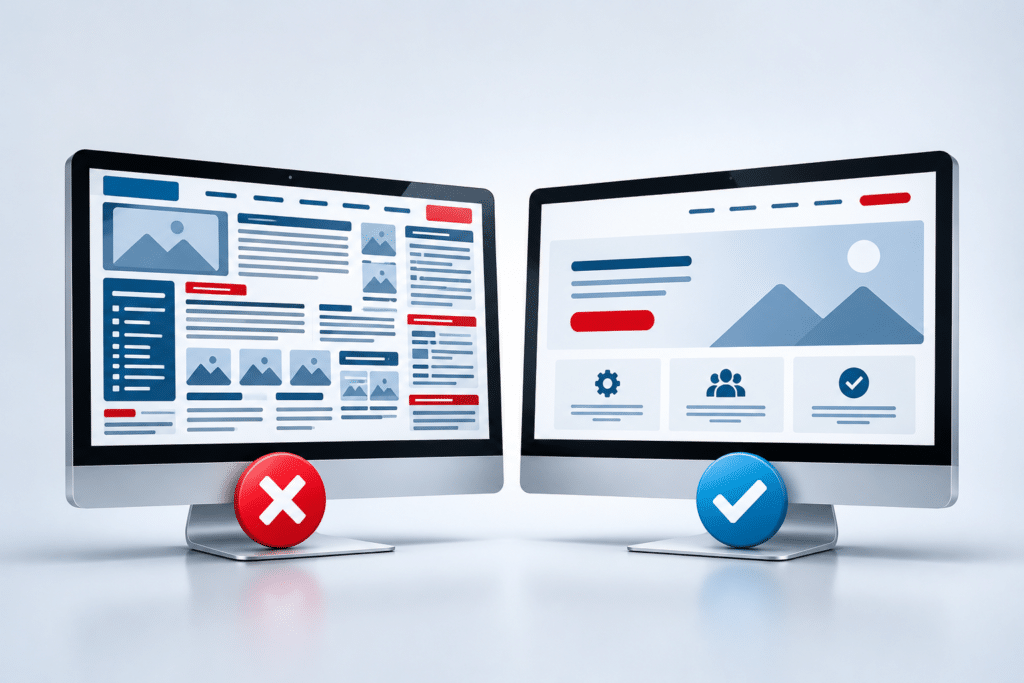

Why Customers Don’t Return to Your Website: 10 Reasons Worth Checking
Getting someone to visit your business website is one thing. Giving them a reason to come back is another. You might be paying for advertising, posting regularly on social media or appearing in Google searches, yet many visitors seem to disappear after their first visit.
It’s easy to assume something must be wrong with your website. Sometimes there is. But sometimes people leave because they’ve found what they need, they’re not ready to buy, or they simply have no reason to return. Understanding the difference can help you make better decisions about your website and where you spend your marketing budget.
Quick Answer
Customers often don’t return to a website because it gives them no clear reason to come back. Outdated information, confusing navigation, poor mobile usability, slow pages, weak trust signals and unhelpful content can all contribute. However, a lack of repeat visits isn’t always a problem. Someone looking for an emergency plumber may only need to visit once before calling. The important question is whether your website helps the right visitors take the next step, whether that’s making an enquiry, booking, buying or remembering your business for later.
Do Customers Really Need to Return to Your Website?
Not every business needs people to visit its website again and again. A local electrician may want someone to find their number and call straight away. A restaurant may want a visitor to check the menu and book a table. In both cases, one successful visit could be worth far more than several visits that lead nowhere.
On the other hand, an online shop, a beauty salon with regular appointments or a business selling products people buy repeatedly may benefit from encouraging customers to return. Repeat visits can help people discover new products, read useful advice or make another booking.
Before trying to increase returning visitors, ask what a successful website visit should achieve for your particular business. Your aim might be an enquiry, a phone call, an appointment or a purchase. Returning visitors are useful when they support that aim, but they shouldn’t become a goal on their own.
10 Reasons Customers Don’t Return to Your Website
If repeat visits matter to your business, these are ten common areas worth checking. Some affect the experience people have during their first visit, while others determine whether they remember your business afterwards.
1. Your Website Has Nothing New to Offer
Imagine visiting a local garden centre’s website and finding the same information every time. There are no seasonal offers, new product details, gardening tips or updates about what’s happening. Once you’ve checked the opening hours, there’s little reason to visit again.
You don’t need to publish something new every day. Useful updates could include fresh examples of completed work, seasonal advice, updated service information or answers to questions customers regularly ask. The content should be genuinely helpful, not added just to make the website look busy.
2. Visitors Can’t Find What They Need
People can lose patience when a website makes simple tasks difficult. If a customer needs to click through several pages to find prices, contact details or booking information, they may choose a competitor whose website is easier to use.
Look at your navigation from a new customer’s point of view. Can someone quickly understand what you offer, where you work, how to contact you and what to do next? Clear menus, descriptive page headings and visible contact options make the experience easier.
3. Your Website Doesn’t Work Well on Mobile Phones
Many customers browse websites on their phones while travelling, shopping or taking a break. Small text, awkward menus, buttons that are difficult to tap and forms that don’t fit the screen can make the experience frustrating.
Check your website on a real mobile phone, not just your desktop computer. Try reading the main pages, opening the menu, completing a form and tapping the phone number. If something feels awkward, it’s worth fixing before spending money attracting more visitors.
4. Your Pages Feel Slow or Unreliable
A website that takes too long to display useful information can make visitors impatient. Large images, unnecessary scripts, unsuitable hosting or technical problems may affect how quickly pages load. A page that jumps around while someone is trying to tap a button can be equally frustrating.
Google’s PageSpeed Insights can help identify performance issues. Treat its recommendations as diagnostic information rather than assuming that every warning needs an expensive fix. Focus first on problems that affect real visitors.
5. Your Website Doesn’t Build Enough Trust
A customer may like your services but still feel unsure about contacting you. Missing business details, unclear service descriptions, poor-quality photographs, broken links and vague promises can leave unanswered questions. This is especially important when customers are considering expensive work or allowing someone into their home.
Make it easy to see who runs the business, what services you provide and how customers can reach you. Genuine reviews, accurate contact information, relevant photographs of your work and straightforward explanations of your process can help people make a more informed decision.
6. You Focus on Your Business Rather Than Your Customers
It’s natural to talk about how long you’ve been trading, your equipment and the services you offer. But customers are usually more interested in whether you can solve their problem, what the process involves and what happens next.
For example, a cleaning company could explain which cleaning tasks are included, whether customers supply anything and how quotes are arranged. That information may be more useful than several paragraphs describing the company as professional and reliable. Clear website copywriting can help visitors understand what you’re offering without having to guess.
7. There’s No Clear Next Step
A visitor might be interested in your business but not ready to contact you immediately. If your website offers no useful next step, they may leave and forget where they found you. This is different from pressuring everyone to buy or enquire straight away.
Depending on your business, you could offer an appointment booking option, a helpful guide, a quote request, a newsletter or a simple way to save your contact details. Give visitors a choice that fits how they prefer to make decisions.
8. Your Content Doesn’t Answer Their Questions
Suppose someone is thinking about hiring a landscaper. They might want to understand how long a garden project could take, what affects the price and whether planning permission might be needed for certain work. If the website only contains a short list of services, they may look elsewhere for those answers.
Helpful articles, detailed service pages and straightforward FAQs can give people a reason to return when they’re ready to make a decision. Start with questions you genuinely hear from customers. Those questions are often a better guide to useful content than writing about whatever happens to be popular online.
9. Your Website Looks Neglected
An old date in the footer doesn’t automatically mean a business is unreliable. However, expired offers, broken forms, outdated opening hours and photographs of services you no longer provide can create doubt. Visitors may wonder whether the business information is still accurate.
Set aside time for a regular website check. Update important details, test enquiry forms and remove information that no longer applies. A website doesn’t need constant redesigning, but it should accurately reflect the business customers will deal with today.
10. Customers Forget Your Business After Leaving
Even a well-designed website can be forgotten. Someone may compare several garages, accountants or beauty salons before deciding who to contact. If your business doesn’t stand out for a clear and useful reason, they may struggle to remember which website they liked.
Consistent branding, a memorable business name, clear explanations and helpful follow-up communication can make your business easier to recognise. Where customers have agreed to receive marketing, relevant emails can remind them about useful services or new information. The aim is to stay helpful, not to send constant promotions.
Why Trust and First Impressions Matter
Visitors make decisions based on more than the appearance of a website. They also look for signs that a business understands their needs and can deliver what it promises. A beautiful homepage won’t necessarily overcome confusing information, hidden contact details or a lack of useful answers.
For a local builder, trust might come from genuine project photographs, clear explanations of the work undertaken and information about how quotes are prepared. For an accountant, it might come from explaining which types of businesses they help, what the service includes and how an initial conversation works.
Try asking someone unfamiliar with your business to spend a few minutes browsing your website. Afterwards, ask them what you offer, who you help and what they would do if they wanted to enquire. Their answers may reveal gaps that are difficult to notice when you already know your own business inside out.
How Can You Tell Whether Customers Are Returning?
Website analytics can help you understand visitor behaviour, but the figures need careful interpretation. In Google Analytics 4, reports can distinguish between new users and returning users. A returning user is someone Google Analytics recognises as having visited before, subject to how data is collected and identified.
These figures aren’t a perfect count of individual people. Cookie consent, browser settings, different devices and other measurement limits can affect what appears in reports. A customer who visits on their phone and later uses a laptop may not always be recognised as the same person.
| What to check | What it may tell you | What to consider |
|---|---|---|
| Returning users | Whether recognised visitors come back | Is returning useful for your type of business? |
| Enquiries and bookings | Whether visits lead to useful actions | Are forms, calls and bookings being measured properly? |
| Popular pages | Which information attracts attention | Could those pages answer more customer questions? |
| Traffic sources | How visitors find the website | Are the right people reaching your business? |
| Engagement | Whether visitors interact meaningfully | Does the behaviour match the page’s purpose? |
If you’re using Google Analytics, the official Google Analytics Help Centre explains the reports and measurement terms. You can also ask whoever manages your website to explain which enquiries and bookings are tracked, rather than relying only on visitor totals.
Not All Website Visitors Want the Same Thing
One overlooked reason for low repeat visits is that visitors arrive with different intentions. Someone needing an emergency repair behaves differently from someone planning a kitchen renovation. Both might visit the same business website, but their reasons for leaving and returning are not the same.
Visitors Ready to Buy or Enquire
These customers already know what they need. They want clear service information, reassurance and a quick way to contact you. If they complete their enquiry during the first visit, there’s no reason to treat their lack of return as a failure.
Visitors Comparing Their Options
These people may be looking at several businesses. Clear explanations, genuine reviews, pricing guidance where suitable and useful examples can help them make comparisons. They may return later after discussing their options or checking their budget.
Visitors Researching for the Future
Some people are interested but won’t buy for weeks or months. A homeowner considering a new driveway, for example, might read advice about materials and maintenance long before requesting a quote. Helpful information can make your website worth revisiting during that research.
This is why the same returning-visitor target won’t suit every small business. Think about the decisions your customers make and how long those decisions usually take.
How to Give Customers a Good Reason to Visit Again
Encouraging return visits doesn’t require a complicated marketing system. For many small businesses, it starts with improving the information already on the website and making it easier for customers to stay in touch.
Create Content Worth Coming Back For
Publish useful material based on real customer questions. A garage could explain seasonal vehicle checks. A beauty salon could share preparation and aftercare advice. An accountant could provide clear reminders about relevant business deadlines, making sure the information stays accurate.
A small collection of genuinely helpful pages can be more valuable than a large blog filled with repetitive articles. Review existing content before deciding whether more needs to be written.
Make Returning Easy
Keep your business name, contact details and navigation consistent. If customers book regularly, make the booking page easy to find. If you sell products online, help returning shoppers locate useful product categories and information about previous purchases where your system supports it.
Don’t make people search through several menus for something they use regularly. A familiar, predictable experience can make your website more convenient for existing customers.
Keep in Touch With Permission
Email newsletters, appointment reminders and useful customer updates can encourage appropriate return visits. The messages should match what the customer agreed to receive and provide something worthwhile, such as booking information, relevant advice or genuine updates.
For UK businesses, marketing emails and tracking technologies can involve privacy and consent requirements. Check the Information Commissioner’s Office guidance on direct marketing before introducing new marketing lists or tracking tools.
Improve Your Most Important Pages First
Rather than changing everything at once, start with the pages customers use most. Check your homepage, main service pages, contact page and any booking or checkout process. Make one improvement, then see whether it helps people complete the intended action.
If your website is dated, difficult to use or no longer reflects your business, a website redesign may be worth considering. But many businesses can begin with smaller changes to their wording, navigation and customer information.
Expert Insight From Daren Ward

Daren Ward
Founder, A to Z Website Solutions
Having worked in website design and online marketing since 2004, my advice is to avoid judging a business website by visitor numbers alone. I would first look at what the visitor came to do and whether the website makes that task easy.
For example, if someone visits a plumber’s website, finds the right service and calls within two minutes, that’s potentially a successful visit. Trying to make that person browse five more pages would miss the point. But if someone is researching a larger project, useful guidance and clear examples could encourage them to come back when they’re ready.
I would recommend choosing three important customer tasks and testing them yourself on a mobile phone. If you struggle to find information, request a quote or complete a booking, start by fixing those problems. Then look at whether your business would genuinely benefit from more repeat visits.
Action Checklist: What to Check This Week
- Open your homepage on a mobile phone and check whether your main services are immediately clear.
- Try finding your contact details and completing your enquiry form.
- Check whether opening hours, prices where displayed, service areas and other important details are accurate.
- Read your main service page as if you were a first-time customer with no knowledge of your business.
- Check whether your website answers the five questions customers ask most often.
- Test your main pages using PageSpeed Insights and investigate any serious usability problems.
- Review whether genuine customer reviews and examples of your work are easy to find.
- Check your analytics and compare visitor behaviour with enquiries, bookings or purchases.
- Identify one genuinely useful reason customers might want to return.
- Choose one improvement to make first, then review its effect over a sensible period.
Frequently Asked Questions
1. Is it bad if most people only visit my website once?
Not necessarily. If your business mainly receives one-off enquiries, a visitor may find what they need and contact you immediately. That’s often a positive outcome. Look at whether visits lead to useful business actions before deciding that your returning-visitor numbers are too low.
2. What is a returning website visitor?
A returning visitor is someone an analytics system recognises as having visited your website before. The exact definition depends on the measurement tool. Tracking restrictions, consent choices and different devices mean these figures are estimates rather than a complete record of every individual customer.
3. What is a good returning-visitor percentage?
There isn’t one percentage that suits every business. An online shop selling everyday products may naturally attract more repeat visits than a company providing emergency repairs. Compare your own results over time and focus on whether returning visitors contribute to enquiries, bookings and sales.
4. Can an outdated website make customers leave?
Yes, particularly when important information is no longer accurate or the website is difficult to use. Expired offers, broken forms and missing service details can frustrate customers. However, an older design isn’t automatically ineffective if the website remains clear, trustworthy and easy to use.
5. Will adding a blog bring customers back?
A useful blog can give visitors reasons to return, but publishing articles doesn’t guarantee repeat traffic. The content needs to answer questions that matter to your customers. A small number of helpful, regularly reviewed articles may serve your business better than frequent posts with little practical value.
6. Does website speed affect whether people return?
Speed can affect how comfortable a website feels to use. Slow-loading pages and unstable layouts may frustrate visitors, especially on mobile connections. Improving speed is sensible, but it should be considered alongside content quality, navigation, trust and how easy it is to complete an enquiry or purchase.
7. How often should I update my business website?
Update important information whenever it changes, and check the website regularly for errors. New content should be published when you have something useful to share. A small local business doesn’t need to change its homepage every week simply to make the website appear active.
8. Can email marketing encourage people to revisit?
Yes, relevant emails can remind interested customers about your business and direct them to useful information or services. However, UK marketing and privacy rules must be followed. Only send marketing where you have a valid basis to do so, and make it straightforward for recipients to opt out where required.
9. Should I redesign my website to get more returning visitors?
Only if the current design is contributing to problems or no longer meets your business needs. You may be able to improve results by changing page wording, navigation, contact options or outdated information. Identify the problem before paying for a full redesign.
10. What should I measure instead of repeat visits?
Start with the actions that matter to your business, such as qualified enquiries, telephone calls, bookings, purchases or repeat orders. Then use website analytics to understand how visitors reach those actions. This provides a more useful picture than looking at visitor numbers in isolation.
Summary: Give Visitors a Reason to Remember You
Customers may not return to your website because the experience is frustrating, the information is unhelpful or there’s nothing worth coming back for. But they may also leave because they’ve successfully completed what they came to do.
The best approach is to understand your customers’ needs, make important tasks simple and offer helpful information when a longer buying decision is involved. Improve the parts of your website that create confusion before trying to increase repeat visits for their own sake.
Would You Like Help Improving Your Website?
If your website no longer reflects your business or customers struggle to find what they need, you can explore our website redesign service. At A to Z Website Solutions, we’ve been working with business websites and online marketing since 2004. The starting point is understanding what your website needs to do better for your customers.
Key Takeaways
- Not every successful website visit needs to lead to another visit.
- Confusing navigation, poor mobile usability and slow pages can discourage visitors.
- Accurate information, genuine reviews and clear service details help build trust.
- Helpful content gives customers a reason to return during longer buying decisions.
- Returning-visitor figures have measurement limits and need context.
- Enquiries, bookings and sales often matter more than repeat visits alone.
- Start with practical improvements before considering a complete redesign.
Found This Helpful? Share It
If you found this article useful, please share it with other business owners who might benefit from it.